Sungrow is facing renewed scrutiny over cybersecurity risks affecting its connected energy infrastructure, with concerns ranging from critical software vulnerabilities and patch deployment practices to potential regulatory exposure across major overseas markets.
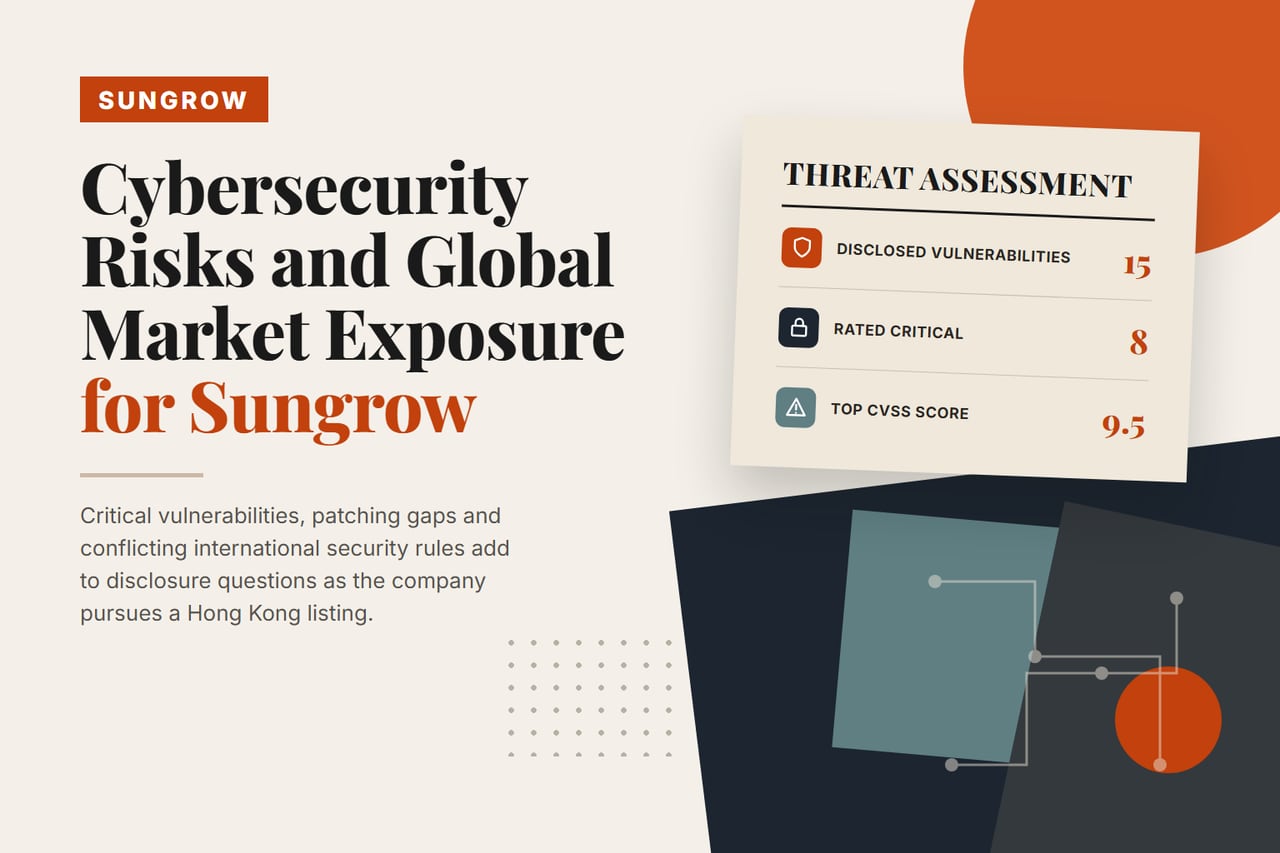
The issues center on vulnerabilities identified in Sungrow's iSolarCloud Android application and WiNet firmware, which support a broad range of connected products including solar inverters, energy storage systems, EV chargers and smart energy equipment. Security researchers disclosed 15 vulnerabilities in March 2025, including eight classified as critical, with the most severe carrying a CVSS score of 9.5.
The vulnerabilities raised concerns about potential unauthorized access to user accounts, plant and organizational data, as well as risks associated with device communications and remote system control. The combination of weaknesses described in the research could have broader implications for connected energy infrastructure because Sungrow equipment is deployed across residential, commercial and industrial installations internationally.
A central issue is whether the company's remediation process adequately addresses devices already operating in the field. Sungrow made updated firmware available and repaired elements of its backend infrastructure, but the security concerns highlighted the challenge of relying on manual firmware installation across a globally distributed fleet.
In industrial and energy infrastructure environments, the availability of a patch does not necessarily mean that all affected devices have been updated. Legacy systems can remain in operation for extended periods, particularly when upgrades require physical intervention, technical expertise or coordination with customers and operators.
The cybersecurity questions also extend to Sungrow's disclosure obligations as part of its planned Hong Kong listing. Critics have argued that severe vulnerabilities affecting product integrity, data security and potential operational liability could warrant more specific discussion in risk disclosures, particularly where connected equipment forms part of critical energy infrastructure.
Beyond the technical issues, Sungrow faces an increasingly complex international regulatory environment. Connected energy products are becoming subject to stricter cybersecurity, privacy and supply-chain requirements across Europe, North America and other major markets. These frameworks increasingly emphasize secure-by-design development, protected authentication credentials, secure software updates and stronger controls over access to critical infrastructure.
The company's international operations could therefore face growing compliance challenges as cybersecurity regulation becomes more closely linked to market access. Potential conflicts between Chinese data-security requirements and Western expectations surrounding infrastructure security, data protection and foreign access could add another layer of complexity for globally deployed digital energy platforms.
For investors, the broader question is whether cybersecurity should now be considered alongside traditional operational and financial risks when assessing energy technology companies. As solar, storage and other distributed energy assets become increasingly connected, vulnerabilities in software, cloud platforms and device communications can carry consequences extending beyond data security to project operations, customer confidence and regulatory compliance.
The Sungrow case highlights a wider challenge for the global energy sector: cybersecurity is becoming an increasingly material part of infrastructure risk management. For companies expanding rapidly across international markets, the ability to identify vulnerabilities, deploy effective remediation and demonstrate compliance across multiple jurisdictions may become as important to long-term competitiveness as product performance itself.
Intelligence Takeaway
The signal is less about a single headline and more about how decision-makers should read the operating environment: commercial claims, policy exposure, and execution evidence now need to be evaluated together.